

So you’ve been working out for a few months, following the same routine, but now you’re stuck in a plateau. You’re lifting the same weights, running the same distances, and wondering why your progress has stalled. If you want to build muscle and lose fat at the same time but don’t know how to break through this rut, you’re in the right place.
This article is your go-to guide for a proven body recomposition workout plan. We’ll cover strength training, lifting weights strategies, high intensity interval training (HIIT), and nutrition tips designed to help you burn fat, build lean muscle, and improve your body composition. By the end, you’ll have a clear, actionable workout routine that supports muscle growth while reducing body fat percentage.
Ready to take control of your body recomposition journey and see real results? Let’s get started.
What is Body Recomposition?
Body recomposition means changing your body’s fat and muscle amounts.
It’s about losing fat and gaining muscle at the same time. This isn’t the old “bulk then cut” approach—it’s smarter, more balanced, and focuses on doing both together. It’s your journey, and every bit of progress counts!
Spotlight on Fat Loss
Losing weight isn’t the whole story—it’s about losing fat.
Your weight includes muscle, fat, bone, water, organs, and other tissues. The focus here is on losing fat mass and gaining muscle mass.
That’s why your scale weight might stay the same or even go up during body recomp. Muscle is denser than fat, so your body will look different, more toned, and stronger—even if the scale doesn’t show it.
Remember, body recomp isn’t a quick fix. It takes patience and commitment. Fat loss and muscle gain happen steadily and sustainably. Stick with it, and you’ll see lasting results and a stronger, healthier you.

Can You Lose Fat and Gain Muscle at the Same Time?
Absolutely! You can lose fat and gain muscle simultaneously, and this is what we call body recomposition. It’s all about finding the right balance between your diet and exercise routine.
To shed fat, you’ll need to create a calorie deficit—meaning you consume fewer calories than your body burns. But don’t worry, losing body fat effectively isn’t about starving yourself; it’s about combining smart resistance training, proper nutrition, and managing your calorie intake in a way that supports fat loss while building muscle.
Building muscle means challenging your muscles regularly through strength training and fueling them with enough protein. The magic happens when you aim for a small calorie deficit, boost your protein intake, and stay consistent with your strength workouts. This approach encourages your body to tap into stored fat for energy while providing what it needs to build and repair muscle tissue.
Keep in mind, this process takes time and patience—it’s usually slower than focusing on fat loss or muscle gain alone. It might feel challenging, especially if you’re already lean or very fit, but don’t get discouraged!
Remember, everyone’s body is unique. Factors like age, gender, fitness level, and genetics all play a role in how your body responds. The key is to stay committed and consistent. With dedication, you’ll start to see meaningful changes in your body composition over several months.
You’ve got this—every step forward is progress on your body recomposition journey!
How to do Body Recomposition?
To give you a short and simple answer, for body recomp, you need to be doing the following 4 things:
- Be on a caloric deficit diet.
- Consuming 1.6 to 2.2 grams of protein per kilogram of body weight.[[5]](LINK 1)
- Following a strength training program where you gradually lift heavier weights.
- Doing some cardio exercise for overall health and to burn extra calories.
These steps are aimed at reducing body fat percentage while increasing muscle mass.
But before we dive into how you can tackle each of these, it’s important to take a moment to assess where you’re starting from. Knowing your baseline helps you set realistic goals and track your progress, which is key to staying motivated on this journey.
Your Current Body Composition
Start by getting a clear picture of your body fat percentage and lean mass. Lean body mass includes everything in your body except fat — like muscle, bone, and organs — and it’s a crucial factor in body recomposition because building lean muscle helps you burn fat more efficiently.
There are several ways to measure this:
- DEXA scans are very accurate and use low-dose X-rays, but they can be a bit pricey.
- Bioelectrical impedance uses a gentle electric current to estimate body fat; many home scales offer this feature.
- Skinfold measurements use calipers to check fat at certain spots; it’s less precise but widely accessible.
Choose a method that you can easily repeat over time to see how you’re progressing.
Your Current Fitness Level
Next, take stock of your strength and endurance. This will help you design a workout plan that’s just right for you — challenging but doable.
Try testing yourself with:
- How much weight you can lift on key exercises like squats, bench press, shoulder press, and deadlifts.
- How long you can run or cycle at a steady pace.
- How many push-ups, pull-ups, or sit-ups you can do.
Knowing these numbers will give you a great starting point and help you celebrate your improvements as you go.
Remember, this is your personal journey. Everyone starts somewhere, and progress is progress — no matter how small. Keep your head up and stay excited about the changes ahead!
Your Dietary Habits
Take a moment to reflect on your current eating patterns. Understanding how many calories you typically consume, along with your intake of protein, carbohydrates, and fats, will empower you to make smart adjustments tailored to your body recomposition goals.
Try keeping a food diary for a week—write down everything you eat and drink. You can use an app or website to track:
- How many calories you usually consume
- Your daily protein, carbohydrate, and fat intake
- The timing of your meals throughout the day
This insight is invaluable for making informed changes that support your journey. Remember, balancing your body recomposition macronutrients—protein, carbs, and healthy fats—is essential to fuel muscle growth and promote fat loss. Aim to eat in a slight calorie deficit while prioritizing a high protein intake around 2.6-3.5 grams per kg of fat-free mass to help your muscles recover and grow stronger.
You’ve got this! Small, consistent steps with your nutrition will build the foundation for the amazing progress ahead.
Your Overall Goals
It’s important to set realistic, specific long-term goals.
Remember, body recomposition is a journey, not a race. It’s perfectly normal for progress to take time, so be patient and kind to yourself along the way.
Instead of vague goals like “get fit,” try setting clear, achievable targets that inspire you. For example:
- Reduce body fat by 5% in 6 months
- “Increase squat strength by 50 pounds in 3 months”
Keep in mind, healthy body recomposition is a slow but rewarding process.
Expect to see noticeable changes in 2-3 months, with more significant transformations unfolding over 6 months or longer.
You’re making progress every day, even if it doesn’t always feel like it!
How Much Time Can You Commit
Take a realistic look at your weekly schedule and decide how much time you can dedicate to exercise and meal prep.
Consistency is key, but it doesn’t mean you have to spend hours every day.
Here’s a simple guideline to help you plan:
- Aim for about 3-4 hours per week for strength training
- Add 1-3 hours for cardio exercises
- Set aside some extra time for preparing healthy, nourishing meals
Remember, small, consistent efforts add up to big results over time.
You’ve got this—every minute you invest in yourself brings you closer to your goals!
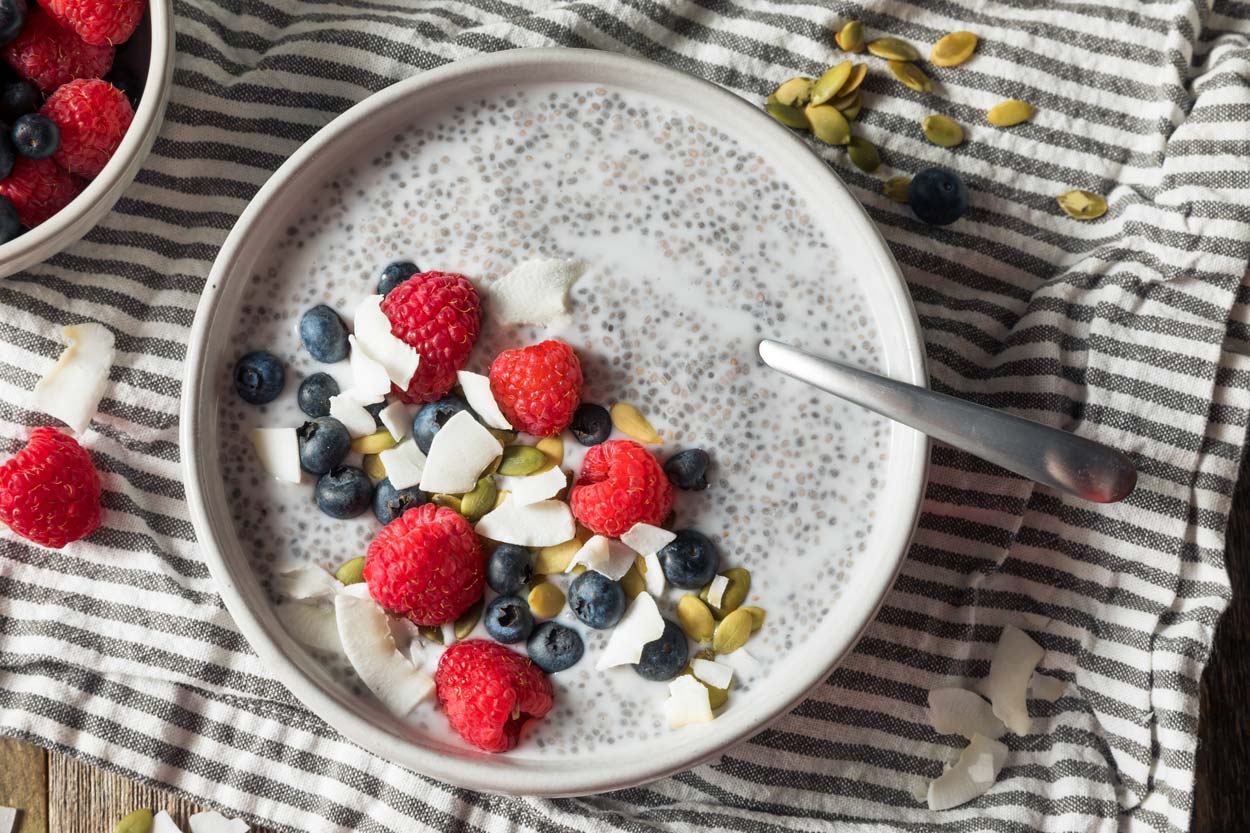
Importance Of Diet In Body Recomp
Diet plays a crucial role in body recomposition because it’s the foundation for both losing fat and building muscle, which are the main goals of body recomp.
Think of your body as a building under construction. Just like you need the right materials to build a strong, lasting structure, your body needs the right nutrients to build strength and shape. What you eat is just as important as how you train. If you don’t fuel yourself properly, you risk losing muscle instead of fat or missing out on the gains you’re working so hard for.
You deserve to nourish your body with enough protein to repair and grow muscles, especially after those challenging workouts. Carbs are your energy allies, powering you through every rep and set. And healthy fats? They’re essential for your overall health and hormone balance.
But it’s not just about macros — vitamins and minerals play their part, keeping your bones strong and your immune system ready to support you every step of the way. If you want to dive deeper into your body’s health, an InBody Scan can be a great way to track your progress and stay motivated.
Think of your diet like a tailor-made suit—it should fit your unique needs perfectly. Eat too much, and you might gain unwanted fat; eat too little, and you won’t have the energy or nutrients to build muscle and crush your workouts.
So, focus on eating the right things in the right amounts. This balance is the key to transforming your body’s shape and strength during your body recomposition journey.
Body Recomposition Diet
Your goal is to lose fat and gain muscle, so let’s start with the superstar nutrient: protein.
Eat At least 20 – 40 Grams of Protein with Every Meal
Protein is your muscle’s best friend. It drives Muscle Protein Synthesis (MPS), the process your body uses to repair and build new muscle fibers after exercise. This means stronger muscles and better performance over time.
Proteins break down into amino acids, the building blocks your body uses. Among these, leucine stands out as a key trigger for muscle growth, activating the mTOR pathway, which tells your muscles to get to work repairing and growing.
Research shows that consuming 20-40 grams of high-quality protein per meal maximizes this process. While the exact amount varies based on your age, gender, and other factors, aiming for at least 20 grams per meal is a solid, science-backed goal to help you build and maintain lean muscle.
Here are some great protein sources to include in your meals:
- High Protein Sources: Chicken breast, turkey breast, white fish (like cod and tilapia), shrimp, egg whites, extra-lean beef
- Vegetarian Sources: Tofu, tempeh, edamame, lentils, chickpeas, black beans, quinoa, Greek yogurt, cottage cheese, low-fat dairy
- Vegan Sources: Tofu, tempeh, edamame, lentils, chickpeas, black beans, quinoa, seitan, green peas
Fuel Your Workouts With Adequate Carb Intake
To power your resistance training—whether lifting weights or bodyweight exercises—you need energy. Carbs are your body’s preferred fuel, breaking down into glucose and storing as glycogen in your muscles and liver for quick access during intense activity.
Without enough carbs, you might feel drained or unable to push through your workouts, which can slow progress. Planning your pre- and post-workout meals with quality carbs ensures you have the energy to perform and recover well.
Carbs also help prevent your body from breaking down muscle protein for energy, preserving your hard-earned muscle mass.
Here are some healthy carb options to keep you energized:
- Whole Grains: Brown rice, quinoa, oats, whole wheat bread, whole grain pasta, barley, bulgur
- Fruits: Bananas, apples, berries, oranges, grapes, pineapple, mango
- Vegetables: Sweet potatoes, white potatoes, corn, peas, butternut squash, carrots, beets
- Legumes: Lentils, chickpeas, black beans, kidney beans, pinto beans
- Dairy and Alternatives: Milk, yogurt, fortified soy milk, almond milk, coconut milk
You’re doing amazing by focusing on your nutrition—it’s the fuel that will carry you through your workouts and help you reach your body recomposition goals. Keep it up!
Make Sure to Include Healthy Fats
Some people choose to drastically reduce or eliminate fat from their diet during body recomposition, often driven by the misconception that “eating fat makes you fat” or the desire to create a larger calorie deficit.
This approach, however, is generally a mistake and can hinder progress. By cutting out fat, individuals deprive their bodies of essential nutrients and disrupt important physiological processes.
Fats are important for hormone production, including those involved in muscle growth and fat metabolism such as testosterone and estrogen.
A very low-fat diet can lead to decreased testosterone levels, potentially slowing muscle growth and fat loss.
Plus the satiety hormone leptin which is responsible for making you feel fuller is also released by your fat cells.
Your body needs a daily dose of healthy fats to maintain many bodily functions.
Without adequate fat intake, people often find their diets less satisfying and harder to stick to, as fat contributes to feelings of fullness and adds flavor to meals.
This can lead to increased cravings and potential overeating of other macronutrients, particularly carbohydrates.
So make sure to include healthy fats such as the following:
- Nuts and Seeds: Almonds, walnuts, pecans, cashews, chia seeds, flaxseeds, sunflower seeds, pumpkin seeds
- Oils: Olive oil, avocado oil, coconut oil, flaxseed oil
- Fruits: Avocados, olives
- Fish and Seafood: Salmon, mackerel, sardines, trout, herring
- Nut Butter: Almond butter, peanut butter, cashew butter
- Dairy and Dairy Alternatives: Full-fat yogurt, cheese, full-fat milk, Greek yogurt
Limit or Avoid Processed Foods
To lose fat and build muscle, eat fewer calories than you burn.
Processed foods hinder this—they’re high in calories, low in nutrients, and easy to overeat.
They cause blood sugar spikes, increased hunger, and fat storage.
Whole foods are more filling, nutrient-dense, and support muscle growth. They provide essential nutrients that processed foods often lack, making them a better choice for body recomposition. Whole foods help you maintain a calorie deficit and improve body composition and health.
Eating healthier whole foods helps you maintain a calorie deficit and improve body composition and health.
Minimize or avoid these processed foods:
- Sugary Snacks and Sweets: Candy, chocolate bars, cookies, cakes and pastries, donuts
- Savory Snacks: Potato chips, pretzels, cheese puffs, crackers
- Processed Meats: Hot dogs, sausages, bacon, deli meats (ham, turkey, salami), pepperoni
- Frozen and Ready-to-Eat Meals: Frozen pizzas, TV dinners, microwaveable meals, breaded chicken nuggets or tenders, frozen burritos. If you’re seeking healthier alternatives and guidance to overcome unhealthy eating habits, consider the Second Chance Transformation Program at Fit Results Chicago for nutrition and accountability support.
- Fast Food Items: Burgers, fries, fried chicken, pizza, tacos
- Canned and Packaged Goods: Canned soups (especially creamy ones), canned pasta, instant noodles, boxed macaroni and cheese, canned chili
- Beverages: Soda, energy drinks, sweetened iced teas, fruit juices with added sugars, flavored milk
- Baked Goods: White bread, bagels, muffins, biscuits
- Condiments and Sauces: Ketchup, mayonnaise, salad dressings (especially creamy ones), BBQ sauce, sweet and sour sauce
- Breakfast Foods: Sugary cereals, instant oatmeal with added sugars, Pop-tarts, breakfast bars, and granola bars (with added sugars)
- Dessert Items: Ice cream, pudding cups, sweetened yogurt
Body Recomp Calorie Calculation
Here’s a step-by-step guide to calculating your calorie intake for body recomp:
Step 1 – Calculate your maintenance calories
Maintenance calories are the number of calories you need to consume daily to maintain your current weight.
The Mifflin-St. Jeor equation is a widely respected method:
For men: (10 × weight in kg) + (6.25 × height in cm) – (5 × age in years) + 5
For women: (10 × weight in kg) + (6.25 × height in cm) – (5 × age in years) – 161
After calculating this basal metabolic rate (BMR), multiply it by an activity factor:
- Sedentary (little to no exercise): BMR × 1.2
- Lightly active (1-3 days/week): BMR × 1.375
- Moderately active (3-5 days/week): BMR × 1.55
- Very active (6-7 days/week): BMR × 1.725
- Extra active (very intense exercise): BMR × 1.9
Be honest about your activity level.
Consider not just structured exercise, but also daily activities like walking, housework, or active jobs.
This affects your calorie needs and how aggressively you can pursue body recomp.
Step 2: Adjust for Activity Levels
Whatever number you get, the next step is to adjust it based on what kind of physical activity you will be doing on a given day.
Here is an example of strength training tips from expert trainers.
On Strength Training Days: Increase Calories By 5-15% Above Maintenance.
On these days, your body needs extra energy and nutrients to support muscle protein synthesis (MPS) triggered by resistance training.
The slight caloric surplus provides the necessary building blocks for muscle repair and growth.
Research shows that MPS can remain elevated for up to 24-48 hours post-exercise, justifying the increased calorie intake.[4]
The surplus also helps replenish glycogen stores depleted during intense workouts, supporting recovery and performance in subsequent sessions.
So If your maintenance calories are 2200 calories, you can aim for 2310 to 2530 calories on strength training days.
On Cardio Days: Eat At Maintenance Level.
Cardiovascular exercise typically burns more calories than strength training but doesn’t stimulate MPS to the same extent.
Eating at maintenance on these days ensures adequate energy for the workout and recovery without promoting fat storage.
This approach allows you to benefit from the calorie-burning effects of cardio while maintaining muscle mass.
On Rest Days: Decrease Calories By 5-10% Below Maintenance.
On non-training days, your body’s energy demands are lower. The slight caloric deficit encourages the body to tap into fat stores for energy, promoting fat loss.
This deficit is small enough to avoid significant muscle catabolism, especially when combined with adequate protein intake.
So again, if your maintenance calories are 2200 calories, you can shoot for 1980 to 2090 calories on rest days.
For Aggressive Weight Loss: Decrease Calories By 5-10% Below Maintenance on All Days.
If you have a lot more fat to lose and are less concerned with building muscle, then you can set your calorie level to be lower on all days.
The benefit of this method is you lose weigh much faster than the other methods. The disadvantage is you might have lower energy levels and it becomes harder to build muscle at the same time.
This method may also be harder to be consistent with over time.
Step 3: Calculate Your Macronutrient Ratio
For Protein:
- Multiply your body weight in kg by 1.6 – 2.2g [6]
- Each gram of protein contains 4 calories
Example: 70kg person aiming for 2g/kg = 140g protein = 560 calories from protein
For Fat:
- Multiply your body weight in kg by 0.5-1g
- Each gram of fat contains 9 calories
Example: 70kg person aiming for 0.8g/kg = 56g fat = 504 calories from fat
Calculate carbohydrate intake: To maximize your results, consider combining smart nutrition strategies with prison workout routines you can perform anywhere.
- Subtract protein and fat calories from your total daily calorie target
- Divide the remaining calories by 4 (as each gram of carbs contains 4 calories)
Example: If total calories are 2000, and 560 are from protein and 504 from fat: 2000 – (560 + 504) = 936 calories left for carbs 936 ÷ 4 = 234g of carbs
So based on these calculations your macronutrient ratio will be
- Protein (560/2000 = 28%),
- Fat (504/2000 = 25%),
- Carbs (936/2000 = 47%)
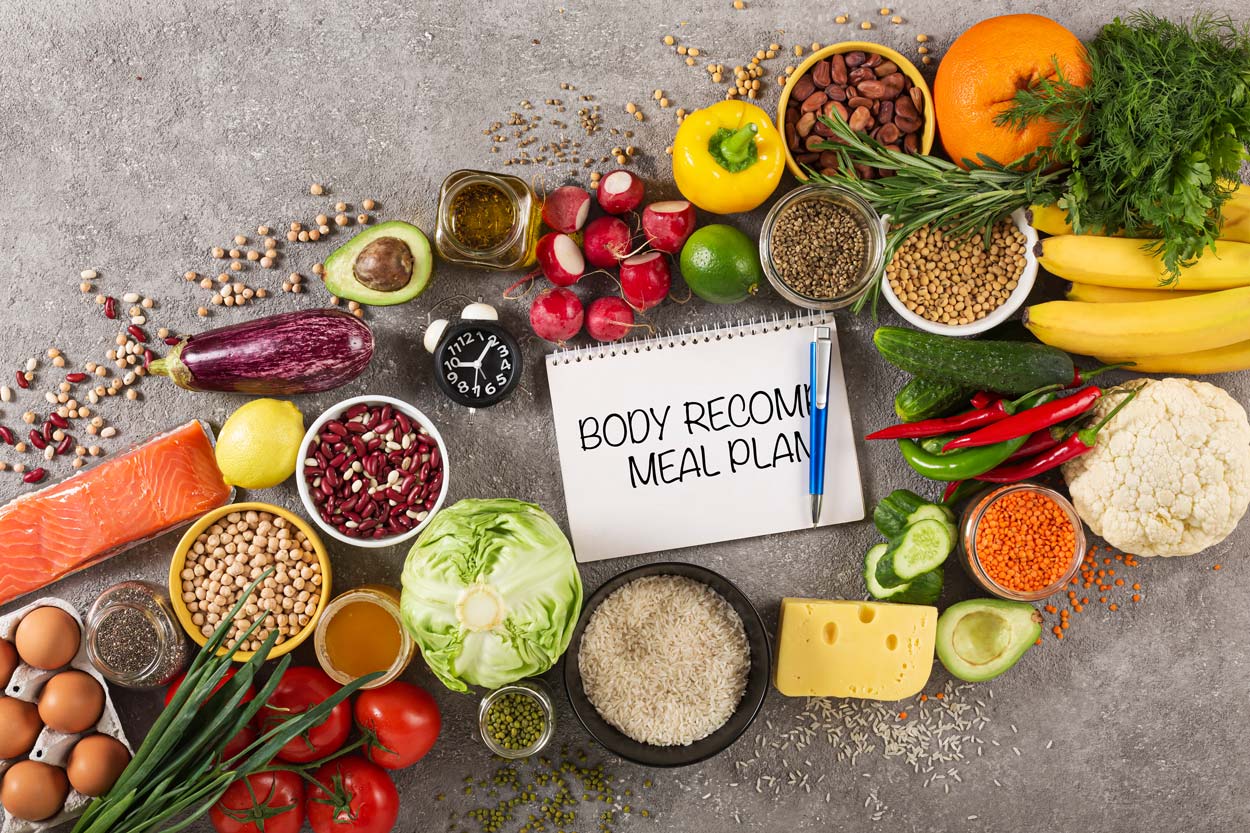
Body Recomp Meal Plan
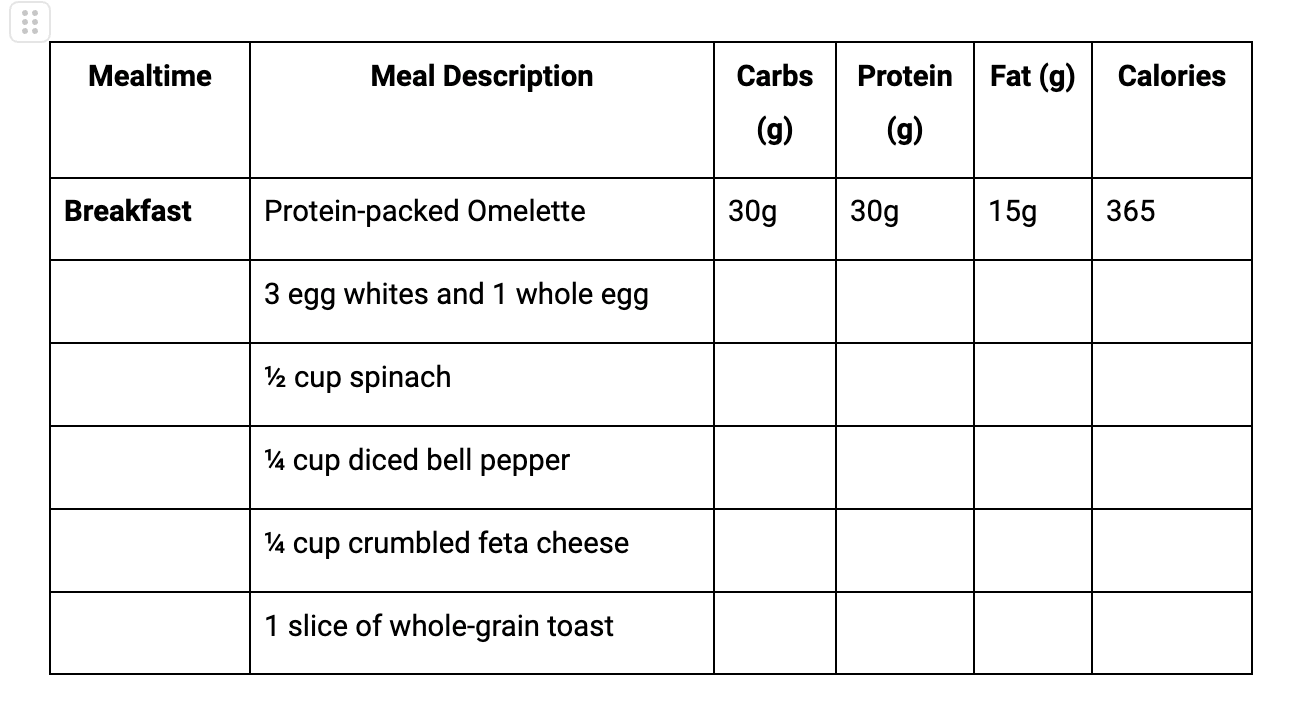
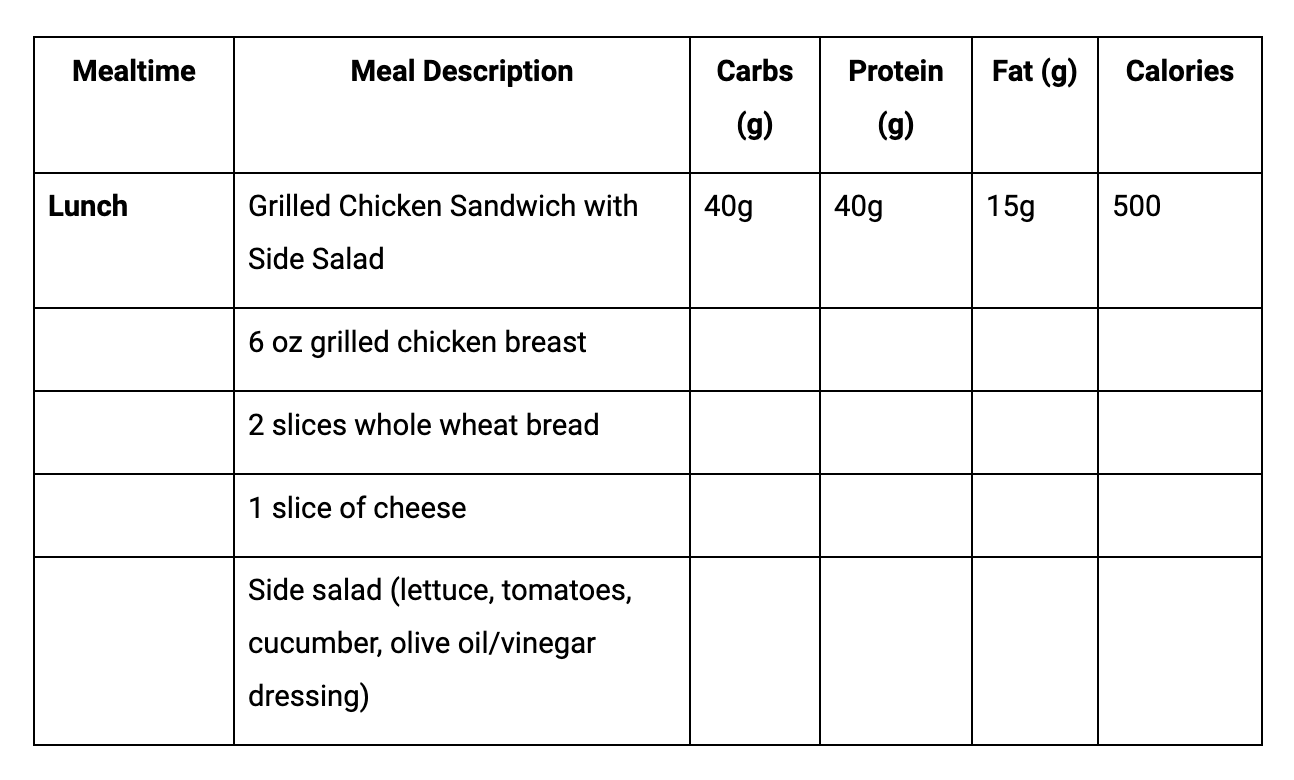
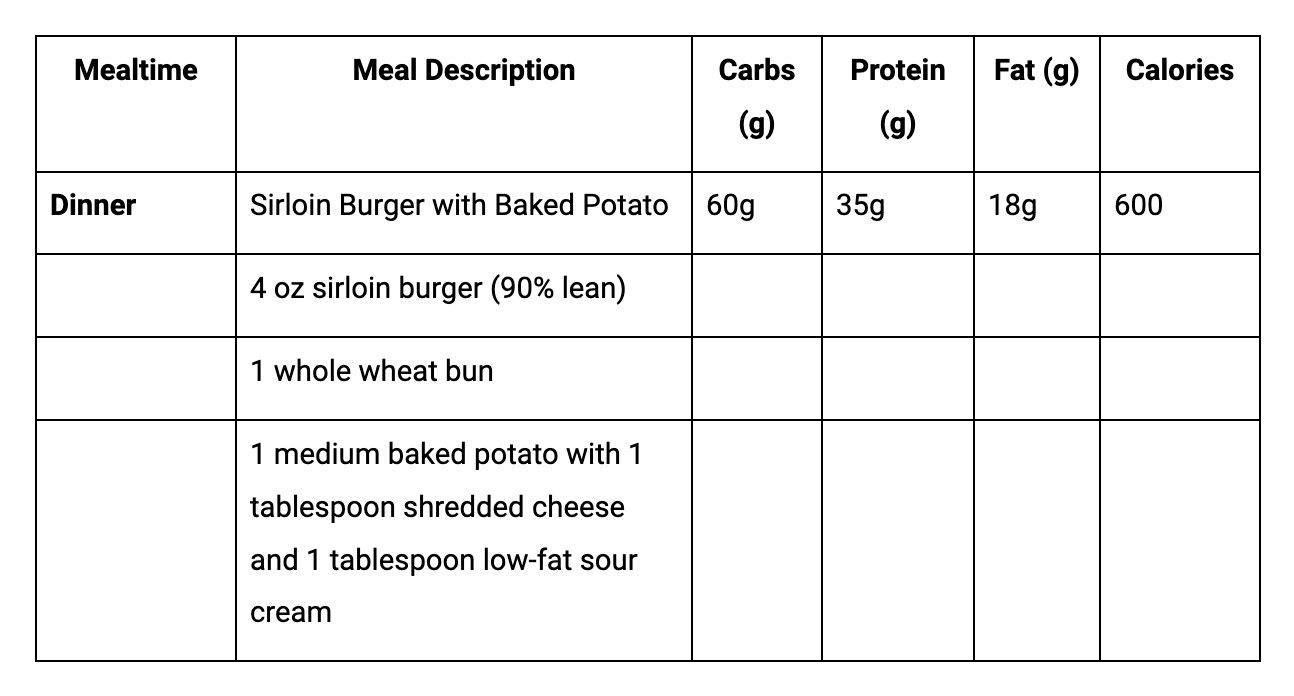
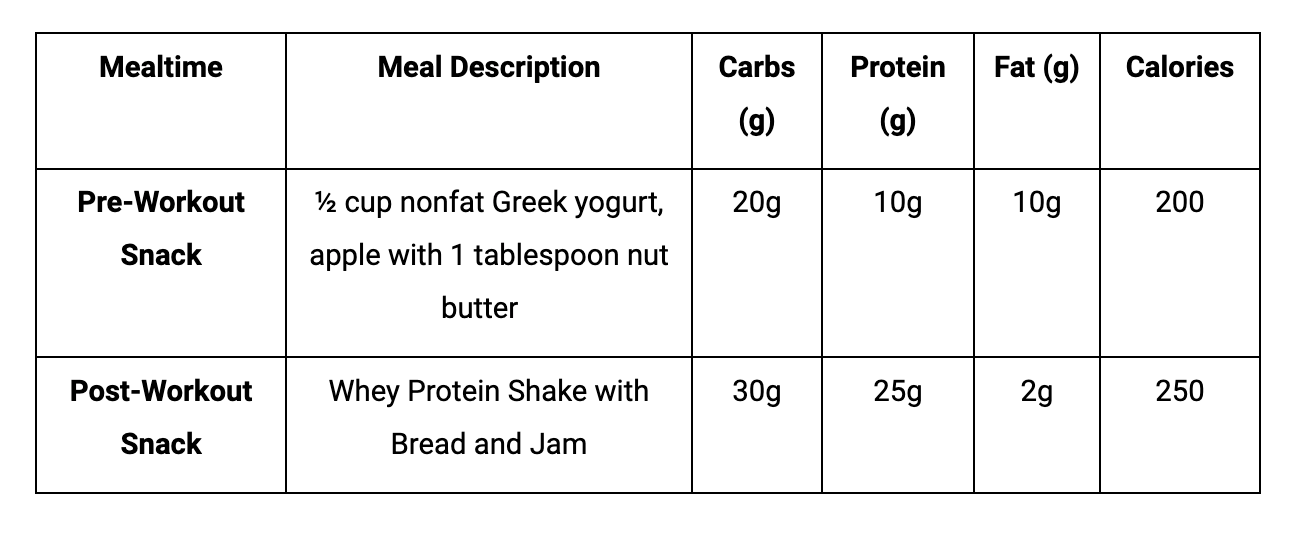
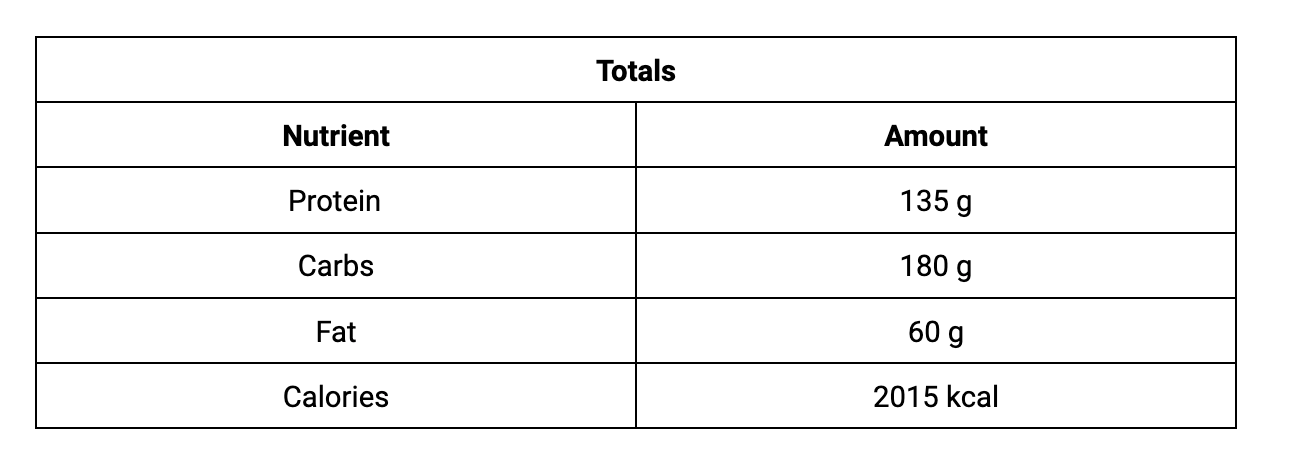
Keep in mind that the meal plan provided here is just an example. While you are free to adapt the recipes to suit your preferences and needs, your exact calorie and macronutrient requirements will depend on your individual factors.
So make sure to adapt a meal plan that is customized to your individual needs with the help of a professional nutritionist for accurate results.
With that in mind, here’s a sample body recomposition meal plan based on a 2000-kcal intake.

Body Recomposition Workout
Whether you are working out at the gym or doing home workouts, if you want to build muscle, your body recomposition routine should include the following elements in your weekly exercise schedule: There are various body recomposition workout plans tailored for different goals, such as strength training and muscle building for women.
Resistance Training
Resistance training forms the backbone of any successful body recomposition program. This type of exercise involves working your muscles against a force or weight, which can include free weights, machines, resistance bands, or even your own body weight. To create a body recomposition workout plan, perform resistance training at least three times per week incorporating compound exercises like squats and bench presses. These exercises are highly effective for building strength and muscle mass.
This type of exercise involves working your muscles against a force or weight, which can include free weights, machines, resistance bands, or even your own body weight.
The primary goals of resistance training in body recomposition are:
- Building and maintaining lean muscle mass
- Increasing overall strength
- Boosting metabolic rate
For ideal results, you have to include resistance training at least 3-4 times per week, allowing at least one day of rest between sessions for muscle recovery. Engage in resistance training three to four times a week prioritizing compound movements as they work multiple muscle groups and burn more calories. This approach ensures a balanced and effective workout routine.
Each session should last about 45-60 minutes and target all major muscle groups over the course of a week. Perform strength training close to failure, completing three to six sets per body part to promote muscle growth. This approach ensures that your muscles are adequately challenged, leading to better results in your body recomposition journey.
We ll talk about which specific exercises you can do later on.
Progressive Overload
While this is not an exercise, it is a must during body recomp.
To continue building muscle, you need to progressively increase the demands on your musculoskeletal system.
This can be done by increasing the weight, changing the sets/reps, adjusting rest periods, or modifying the exercise itself to make it more challenging
Methods to implement progressive overload:
- Increasing weight: Add small increments of weight (2.5-5 lbs) to your lifts as you get stronger.
- Increasing volume: Perform more total repetitions