

Beginner’s 4-Week Plan for Exercises for Lean Muscle
Are you tired of tirelessly working out, only to see little to no progress in your physique? Don’t worry, you’re not alone.
Building lean muscle can seem like a challenging task, but with the right approach, it’s entirely achievable. In this comprehensive Fit Results Guide, we’ll take you on a journey to unlock the secrets of building that lean, sculpted body you’ve always desired. Body weight exercises can help build lean muscle without gym equipment. However, excess body fat can make bodyweight exercises more challenging, so managing it is important for improving mobility, strength, and long-term health. Building lean muscle through resistance training can also help reduce the risk of cardiovascular disease and improve overall health. Women can build lean muscle without significant bulk by focusing on specific training approaches.
In addition to these advantages, the health benefits of building lean muscle include improved metabolic health, disease prevention, and enhanced overall well-being.
With tips on nutrition, workouts tailored for lean muscle growth, and strategies to track your progress and make adjustments, you’ll soon be well on your way to building lean muscle. Strength training is essential for females aiming to develop lean muscle efficiently and sustainably.
So, grab your gym gear and get ready to dive into a world of fitness wisdom that will transform your body and your life.
Introduction to Lean Muscle
Lean muscle forms the foundation of a strong, healthy body and plays a vital role in metabolism, strength, and overall fitness. It refers to muscle mass excluding body fat and supports your body’s health from the inside out. Building lean muscle involves proper nutrition, consistent strength training, and sufficient rest, which together help increase muscle mass and improve overall well-being. Whether your goal is to boost athletic performance, reduce body fat, or simply feel your best, developing lean muscle is a key step on your fitness journey.
Building Lean Muscle
Building lean muscle is more than just lifting weights; it combines strength training, good nutrition, and adequate rest to help you achieve a toned, healthy body. The goal is to increase muscle mass while keeping body fat low, resulting in a lean, defined appearance that benefits your overall health.
Increasing lean muscle not only makes you stronger but also boosts metabolism, enhances energy levels, and supports bone and joint health. Lean muscle helps your body burn more calories even at rest, aiding in weight management and healthy aging. This is particularly important for individuals dealing with joint issues or bone density concerns.
To build lean muscle effectively, focus on consuming nutrient-rich foods that provide protein and healthy fats to support muscle repair and growth. Pair this with strength training targeting all major muscle groups and ensure you get enough rest for recovery. This balanced approach improves both your physique and how you feel, helping you handle daily challenges with greater strength and energy. Building lean muscle not only benefits your physical health but also supports better mental health and a healthy mind. Many people have found this journey transformative, improving their quality of life and inspiring others to join them.
Understanding Lean Muscle
Lean muscle refers to the body’s muscular tissue with low-fat content, giving it a firm and toned appearance.
Many people aim for body recomposition, which involves losing fat and gaining muscle at the same time through specific training and nutrition strategies.
Achieving lean muscle requires a blend of resistance training, proper nutrition, and ample rest, resulting in enhanced strength, endurance, and overall physical performance. Muscle hypertrophy is the process responsible for increasing muscle size, which is central to building lean muscle. Building lean muscle enhances posture and reduces injury risk, contributing to overall health for women.
Difference Between Lean Muscle And Bulk Muscle
Lean muscle and bulk muscle vary mainly in appearance, training approach, and nutritional needs.
Appearance: Lean muscle boasts a toned, defined look with lower body fat levels, while bulk muscle may appear larger due to a mix of increased muscle mass and higher body fat levels.
Training approach: Building muscle usually involves combining compound and isolation exercises, emphasizing moderate to high repetitions and proper form. Weight training, which includes exercises like squats, deadlifts, and bench presses, is a highly effective way to build lean muscle and improve overall strength. Hypertrophy training, which focuses on moderate to high reps and controlled movements, is especially effective for building lean muscle. Building muscle can also be achieved while focusing on fat loss, especially when following a well-structured program that supports both goals. In contrast, bulking often focuses on heavy lifting and low repetitions to promote muscle size and strength gains. Female muscle-building programs should emphasize moderate weights with high repetitions to promote endurance without bulk.
Nutritional needs: Developing lean muscle necessitates a balanced diet with a slight caloric surplus, prioritizing protein intake for muscle repair and growth while managing carbohydrate and fat intake to minimize fat accumulation.
Bulking, on the other hand, often involves consuming a significant caloric surplus to support muscle growth, which may lead to increased fat gain alongside muscle mass.
Importance of Lean Muscle Growth
Building lean muscle is about more than just looking good—it’s a game-changer for your health and life. When you increase your muscle mass and reduce your body fat, you improve how your body looks and feels, leading to a more toned appearance and greater confidence that has helped thousand of people from all walks of life. Lean muscle growth also helps boost your metabolism, making it easier to manage your weight and burn that stubborn body fat that many of my clients struggle with. Beyond just looks, building lean muscle supports your overall health by making your body stronger, helping you move better, and lowering your risk of health issues like heart disease and diabetes that has affected many people over 40. Investing in lean muscle growth is one of the best ways to improve your quality of life and help you move ahead in life with better health and well-being.
Factors Affecting Lean Muscle Growth
Genetics: Genetics plays a substantial role in determining a person’s natural muscle-building potential. Aspects such as muscle fiber type, hormone levels, and metabolism can impact how quickly and easily one can muscle. (1)
Age: With age, hormonal changes, decreased muscle protein synthesis, and a slower metabolism can make building and maintaining lean muscle more challenging. As people age, they naturally experience age related muscle loss—a process known as sarcopenia—but regular resistance training can help slow or prevent this loss. (2) However, resistance training and proper nutrition can help counteract these effects and promote healthy aging.
Hormonal balance: Hormones like testosterone, growth hormone, and insulin-like growth factor-1 (IGF-1) play crucial roles in muscle growth and repair. Imbalances in these hormones can hinder lean muscle development. (3)
Sleep: Ensuring sufficient sleep, managing stress, and maintaining a balanced diet can help optimize hormonal balance for muscle growth.
Training program: A well-crafted training program incorporating progressive overload, exercise variation, and adequate rest is essential for stimulating muscle growth and preventing plateaus. Progressive overload involves consistently challenging muscles by gradually increasing the weight, reps, or sets over time.
Nutrition: Consuming a balanced diet with sufficient protein, carbohydrates, and healthy fats is crucial for providing the nutrients needed for muscle repair, growth, and energy during workouts.
Recovery: Sufficient rest and recovery are vital for allowing the body to repair and grow muscle tissue. Overtraining and insufficient sleep can impair muscle recovery and growth, further emphasizing the importance of rest days and proper sleep hygiene. (4) Adequate recovery, including sleep and rest days, is vital for muscle development in women.
Stress levels: Chronic stress can negatively impact muscle growth by increasing cortisol levels, which can hinder muscle protein synthesis and promote muscle breakdown. Managing stress through relaxation techniques, regular exercise, and a balanced diet can help optimize lean muscle development. It is important for women to manage cortisol levels as chronic stress can impede muscle growth.
Active Recovery
Active recovery is a crucial part of building lean muscle that many people has overlooked when they start their fitness journey. Instead of complete rest, active recovery involves gentle activities that is low-intensity like brisk walking, yoga, or foam rolling that can help you. These activities help boost blood flow to your muscles and reduce soreness and speed up recovery process after intense workouts that you have been doing. By incorporating active recovery into your routine, you can minimize muscle damage and support muscle growth and stay consistent with your training that is so important. Remember, building lean muscle isn’t just about pushing hard in the gym—it’s also about giving your body time and care it needs to recover and grow stronger and that has helped many people achieve their goals.
Nutrition for Lean Muscle Growth
Alright, let’s talk about something crucial for building lean muscle – food! You can’t expect to see any results if you’re not fueling your body with the right nutrients. Here is a breakdown of everything you need to know about nutrition for building muscle.
One important concept to consider is nutrient timing, which refers to consuming key nutrients around your workouts to potentially maximize muscle growth.
Importance Of Proper Nutrition
Proper nutrition is the foundation for lean muscle growth. A well-balanced diet provides the essential nutrients, vitamins, and minerals needed to fuel workouts, recover from exercise, and support muscle growth. Maintaining optimal glycogen stores through adequate carbohydrate intake is crucial for sustaining energy during workouts and supporting muscle recovery. If you are following these principles but still struggling with a weight loss plateau, there are expert tips that can help you move forward.
Without adequate nutrition, your body will struggle to repair and build muscle tissue, hindering your progress and potentially leading to injury or burnout.
Importance of Calorie Deficit
Creating a calorie deficit is essential if your goal is to burn fat and lose weight while you building lean muscle. A calorie deficit means you consuming fewer calories than what your body burns, which encourages your body to use stored fat for the energy it needs. You want to aim for a moderate deficit of 500-1000 calories per day to safely lose 1-2 pounds per week that is sustainable. Pairing this approach with strength training—like lifting weights, push ups, and pull ups—not only help you lose fat but also preserves and builds lean muscle mass that you need. This combination improves your body composition, giving you a leaner, more defined look while it supporting overall health and fitness that you deserve. Remember, regular physical activity and a balanced diet is key to achieving sustainable fat loss and muscle gain that will change your life.
Macronutrient Ratios
Protein: Protein is your muscle’s best friend, providing essential amino acids that help repair and grow muscle tissue. Adequate protein intake is necessary to stimulate muscle protein synthesis, the process by which your body builds new muscle tissue. According to ACSM (American College for Sports Medicine), you should aim for 1.2-1.7 grams of protein per kilogram of body weight daily, depending on your activity level and specific goals. For lean muscle growth, consume a slight calorie surplus of 100-250 per day and aim for 1.4-1.8 grams of protein per kilogram of body weight daily.
Get your protein fix from lean meats, fish, dairy, eggs, or plant-based heroes like beans, lentils, and tofu.
Carbohydrates: Carbs are your body’s go-to fuel during workouts, giving you the energy you need to shine.
A generous helping of carbohydrates empowers your body to push its limits, leading to lean muscle growth. Consuming 1.2 – 1.5 g of carbs per 2.2 lbs of your body weight is recommended.(5) As an example, if you weigh 180 pounds, you should consume 270 g of carbs each day.
Opt for complex carbs like whole grains, fruits, and veggies, which offer lasting energy and essential nutrients.
Fats: Healthy fats are vital for overall health, hormone production, and energy. Strive for a balance of monounsaturated and polyunsaturated fats from sources such as avocados, nuts, seeds, and olive oil. Fats should make up about 20-35% of your daily calorie intake.
Micronutrients And Their Role
While macronutrients like carbohydrates, proteins, and fats provide the body with energy, micronutrients are essential for regulating various bodily functions and maintaining good health.
Lean muscle growth’s micronutrient superstars include vitamin D, calcium, magnesium, and zinc. Each of these micronutrients plays a distinct role in muscle function and development:
Vitamin D: Vitamin D is a vital player in calcium absorption and bone health, but it doesn’t stop there. It moonlights muscle function, with research showing that vitamin D deficiency can lead to muscle weakness and atrophy (8).
Calcium: Calcium is the life of the muscle contraction party, playing a massive role in muscle growth and strength. Getting enough calcium is crucial for supporting bone health, which in turn allows for proper muscle function and lowers the risk of injury (9).
Magnesium: Involved in over 300 enzymatic reactions, magnesium is a true multitasker. It’s a key player in energy production and muscle function, helping muscles relax and keeping cramps at bay. (10).
Zinc: Zinc is needed in small amounts, but it packs a punch. This essential trace element has its hands in all aspects of cellular metabolism, from protein synthesis and cell division to DNA synthesis. It’s a critical ally for muscle repair, growth, and a robust immune system (11).
Maintaining proper electrolyte balance—including sodium, potassium, and magnesium—is also essential for optimal muscle function and preventing cramps during intense training.
Make sure your diet is bursting with a colorful mix of fruits, vegetables, whole grains, and lean proteins to meet your micronutrient needs.
Supplements For Lean Muscle Growth
Protein powder: Protein powder is a hassle-free and effective way to amp up your daily protein consumption.
Blend it into smoothies, stir it into oatmeal, or simply mix it with water or milk. Opt for top-quality protein sources such as whey, casein, or plant-based alternatives like pea or rice protein.
Creatine: Creatine has been shown to enhance muscle strength, power, and size when paired with resistance training. (6)
It works its magic by increasing phosphocreatine availability, which fuels energy production during high-intensity workouts.
Branched-chain amino acids (BCAAs): BCAAs comprise three vital amino acids (leucine, isoleucine, and valine) that contribute to muscle protein synthesis and recovery.
Supplementing with BCAAs may help ease muscle soreness and bolster lean muscle growth, especially when taken before or after exercise sessions. (7)
Importance Of Hydration
Staying hydrated is crucial for overall health, workout performance, and muscle recovery.
Water helps transport nutrients to your muscles, aids in digestion, and supports the removal of waste products.
Aim to drink at least half an ounce of water for every pound of body weight daily. So, if you tip the scales at 150 pounds, make sure to drink at least 75 ounces of water each day.
However, this number can also vary depending on the weather and your overall activity level.
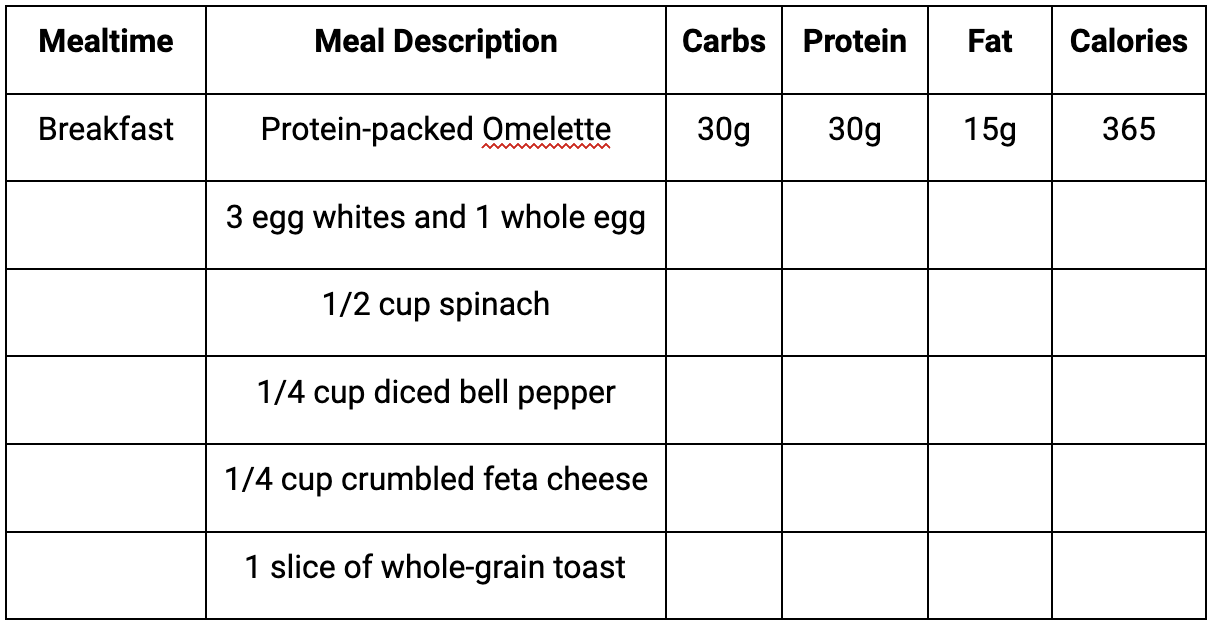
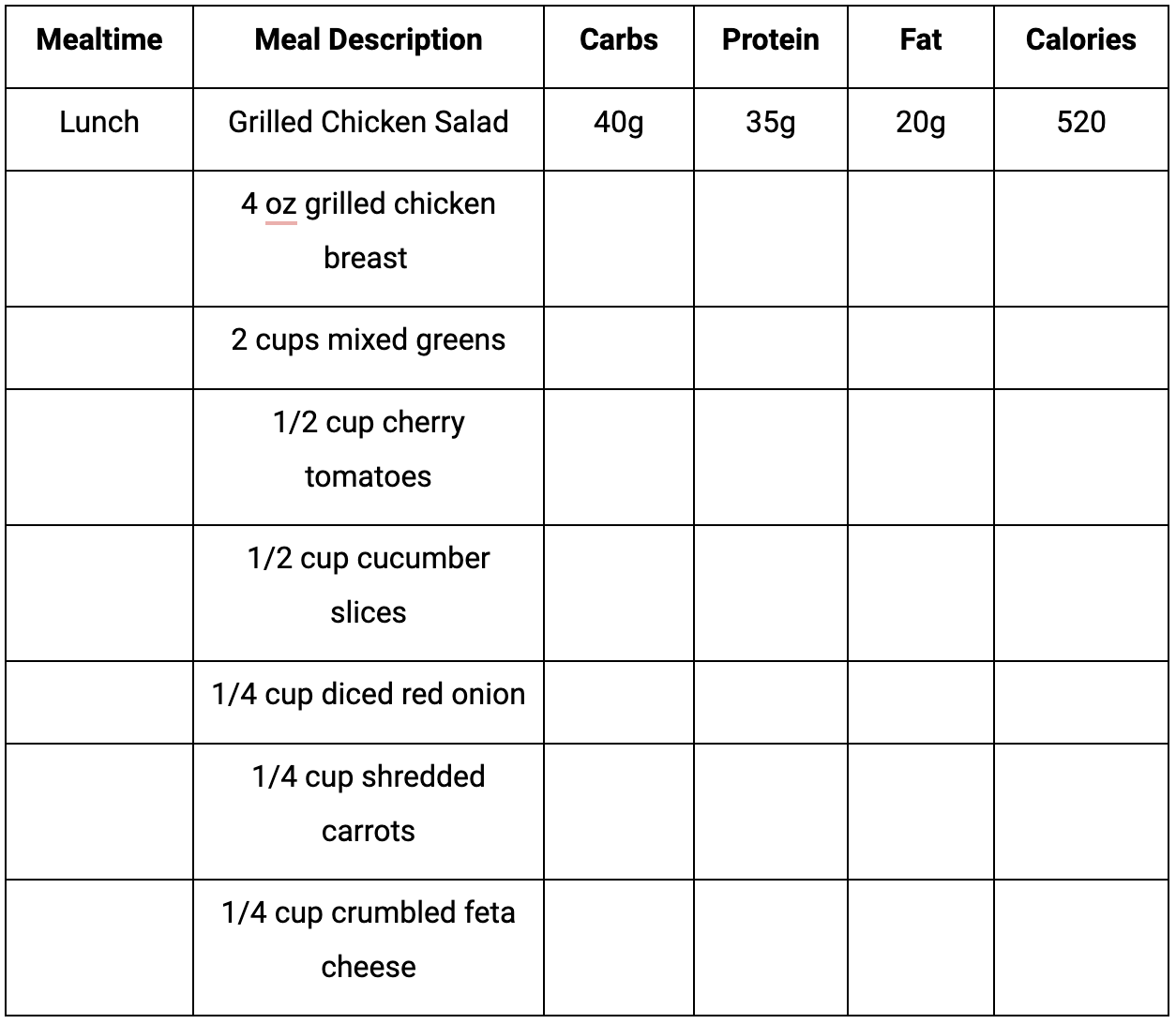
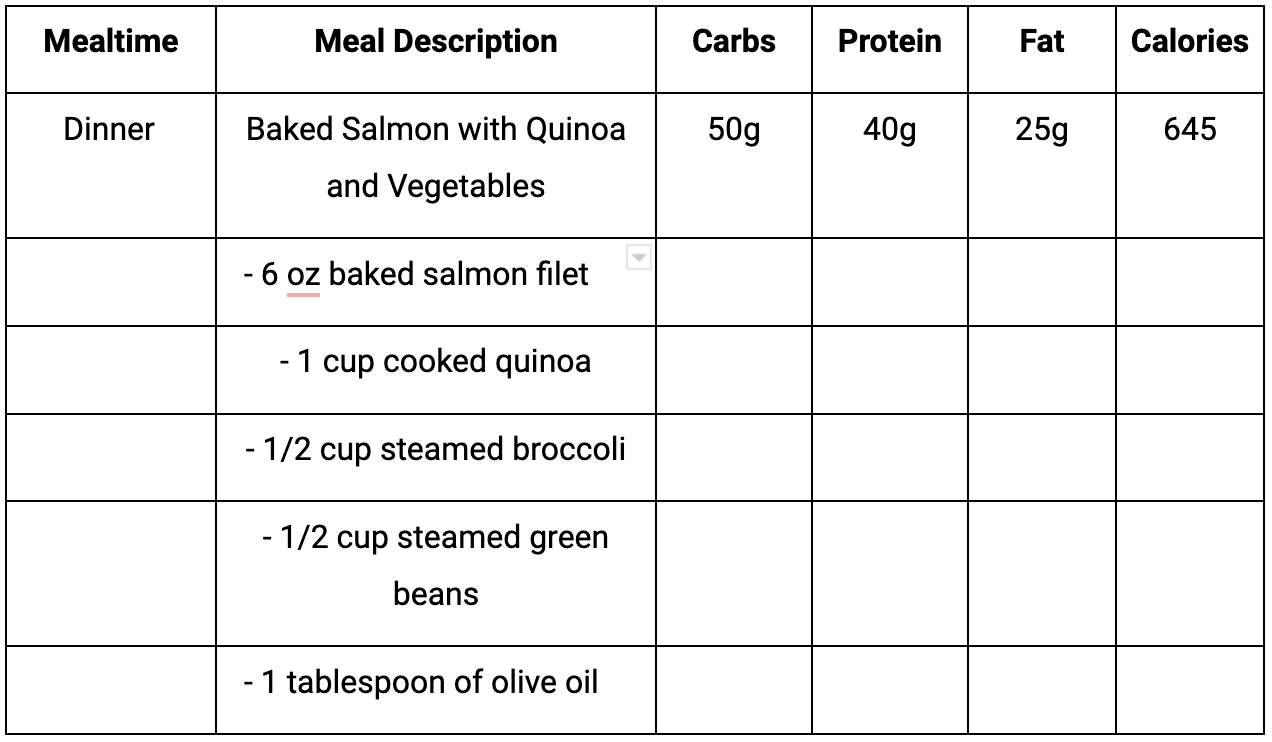
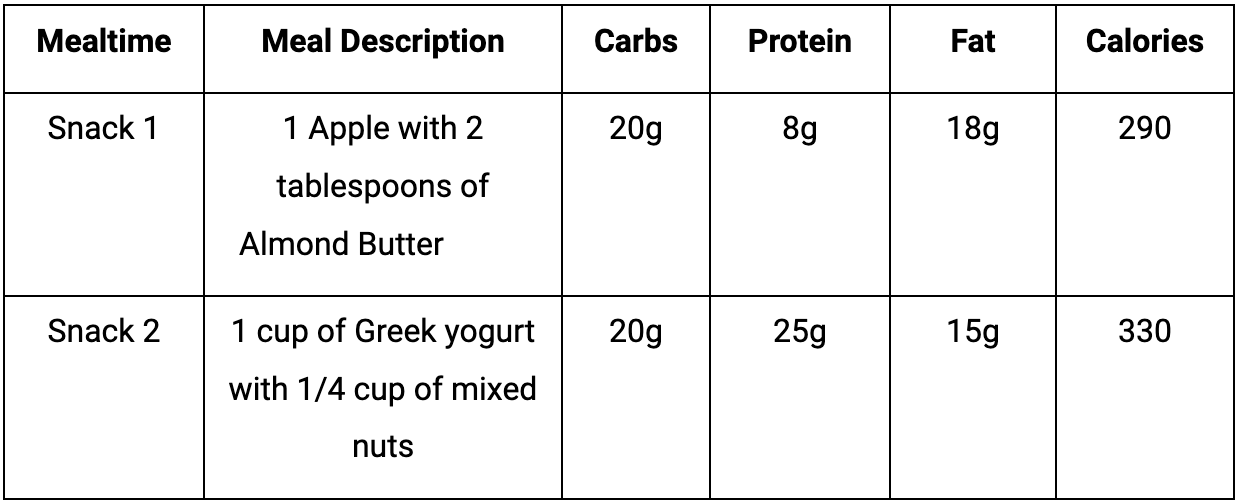
Sample Meal Plan For Lean Muscle Growth
Please note that this meal plan and the nutritional values provided are just estimations and may not suit everyone’s dietary preferences or nutritional requirements. For a customized diet plan tailored to your specific needs and goals, consult a registered dietitian or nutritionist.
Having said that, here’s a sample meal plan based on a 2000-kcal intake.
Learn how to prevent muscle loss after 40 with smart nutrition, strength training, and creatine, especially if you are using GLP-1 weight-loss medications.
Best Workouts for Lean Best Workouts for Lean Muscle Growth
Let’s go over both compound and isolation exercises and their benefits, as well as some examples you can add to your workout routine. Free weights, such as dumbbells and barbells, are highly effective for building lean muscle because they engage stabilizing muscles and allow for a full range of motion. Weight machines are another valuable option for resistance training, as they help target specific muscle groups, provide safe and controlled movements, and support muscle growth without the need for free weights or bodyweight exercises. The “Big 5” compound lifts are considered the foundation of a muscle-building routine.
Compound Exercises
Compound exercises are multi-joint movements that involve the use of multiple muscle groups and joints simultaneously.
These exercises provide a multitude of benefits for those seeking lean muscle growth.
By engaging multiple muscle groups simultaneously, these exercises maximize your workout efficiency, allowing you to target more muscles in less time.
This leads to an increased calorie burn both during and after your workout, which aids in fat loss and helps reveal your lean muscle gains.
Furthermore, compound exercises closely mimic everyday functional movements and sports-specific activities, enhancing your overall athletic performance and reducing the risk of injury. Many compound movements also improve core stability, which is essential for overall strength and injury prevention.
Examples:
- Squats: An all-time favorite for lower body strength, squats engage your quads, hamstrings, glutes, and core muscles.
- Deadlifts: This powerhouse exercise targets your posterior chain, working the hamstrings, glutes, lower back, and even your lats and traps.
- Bench presses A classic upper body exercise, bench presses work your chest, shoulders, and triceps.
- Pull-ups: Pull-ups primarily target your lats, while also engaging your biceps, forearms, and core.
- Rows: Whether performed with dumbbells, a barbell, or a cable machine, rows effectively work your back muscles and biceps.
- Overhead presses: This compound movement targets your shoulders, triceps, and core muscles.
Isolation Exercises
While compound exercises are the backbone of any lean muscle-building program, isolation exercises also have a place in your routine.
These exercises focus on a single muscle group, allowing you to fine-tune specific areas that may need extra attention or development.
Incorporating isolation exercises can help correct muscle imbalances, enhance muscle definition, and assist in injury prevention and rehabilitation.
Examples:
- Bicep curls: Using dumbbells, a barbell, or a cable machine, these exercises isolate and strengthen the biceps brachii.
- Tricep extensions: Performed with dumbbells, a cable machine, or a resistance band, tricep extensions work the triceps brachii.
- Leg curls: Leg curls isolate the hamstrings, working them through a full range of motion.
- Calf raises: This isolation exercise specifically targets the gastrocnemius and the soleus muscles in the calves, which are often neglected in compound movements.
- Lateral raises: Performed with dumbbells or a cable machine, lateral raises isolate the lateral deltoid muscles in the shoulders. For more fitness tips and the latest trends, check out our blog.
- Hamstring curls: Using a leg curl machine or a stability ball, hamstring curls focus on the semitendinosus, semimembranosus, and biceps femoris.
Workout Frequency And Intensity
To effectively stimulate lean muscle growth, it’s important to strike the right balance between workout frequency and intensity. Training volume—the total amount of work performed (sets x reps x weight)—is also a key factor in driving muscle growth.
Aim to exercise each muscle group 2-3 times per week, with at least 48 hours of rest between sessions targeting the same muscle group. This allows for optimal muscle recovery and growth.
Vary the intensity of your workouts by incorporating a mix of lifting heavy weights with low repetitions to build strength and muscle, and high-rep, low-weight sessions to improve endurance and muscle tone. Using lighter weight for higher-repetition sets, such as in goblet squats, can help increase muscular endurance and target different training goals.
Additionally, consider incorporating supersets or drop sets to further challenge your muscles and maximize your time in the gym.
Supersets pair two exercises together, performed back-to-back with minimal rest in between.
You can either work for the same muscle group (think bicep curls followed by hammer curls) or target opposing muscle groups (like bench press followed by bent-over rows).
Not only do supersets save time, but they also crank up the intensity and help your muscles grow.
On the flip side, drop sets are all about pushing your muscles to the limit.
Start by lifting a heavy weight until muscle failure, then immediately lower the weight and continue the exercise until failure once more. You can repeat this process multiple times, dropping the weight with each round.
For example, you could do bicep curls with a 30-pound dumbbell, switch to a 20-pound one, and wrap up with a 10-pounder. Drop sets boost muscle endurance and trigger growth by thoroughly exhausting your muscle fibers.
Incorporating both supersets and drop sets into your routine can lead to improved muscle growth, strength, and endurance, all while making your workouts more time-efficient.
Workout Splits
A common approach to structuring your training is the ‘split routine,’ which involves dividing your weekly workouts by muscle groups or movement patterns to optimize recovery and muscle growth.
Upper/lower split: The upper/lower split divides your workouts into separate upper-body and lower-body sessions.
This approach allows you to focus on each muscle group with greater intensity, while still providing adequate rest and recovery time between sessions.
An example of this split might involve training the upper body on Monday and Thursday, and the lower body on Tuesday and Friday.
Push/pull/legs split: This popular split organizes workouts based on the primary movement patterns: pushing, pulling, and leg exercises. Push exercises primarily target the chest, shoulders, and triceps; pull exercises focus on the back and biceps; and leg exercises work the lower body. This split is highly customizable and can be tailored to suit individual needs and goals. For example, you might follow a push/pull/legs routine on Monday, Wednesday, and Friday, with rest or active recovery days in between. A full workout routine can include exercises for push, pull, legs, and full-body days.
Push exercises primarily target the chest, shoulders, and triceps; pull exercises focus on the back and biceps; and leg exercises work the lower body.
This split is highly customizable and can be tailored to suit individual needs and goals. For example, you might follow a push/pull/legs routine on Monday, Wednesday, and Friday, with rest or active recovery days in between.
Full-body workout: Full-body workouts involve training all major muscle groups in a single session. This approach is ideal for those with limited time, beginners, or those looking to improve overall fitness and functional strength.
A full-body workout might include 2-3 compound exercises for each major muscle group, with additional isolation exercises as needed.
Full-body workouts can be performed 2-3 times per week, with at least 48 hours of rest between sessions.
We go through variations of each split in this 4 week program to get you used to the basics.
How Often to Train for Lean Muscle
When it comes to building lean muscle, consistency and smart planning is what really makes the difference in people’s lives. For optimal muscle growth, it’s generally recommended that you train each major muscle group—such as the upper body and lower body—about 3 to 4 times per week. This frequency gives your muscle tissue enough stimulus to grow while allowing for the crucial recovery time that is needed between sessions. For example, you might follow a workout routine that targets your upper body on Mondays and Thursdays, and your lower body on Tuesdays and Fridays. This approach ensures that every muscle group gets the attention it needs, while also giving your body at least 48 hours to repair and rebuild muscle tissue before working the same area again. This has helped many people that I have worked with over the years.
Following a structured workout program that combines strength training and proper nutrition is essential for maximizing lean muscle gains.
Rest days are just as important as training days, and this is something that has brought to light how many people struggle with overtraining. Incorporating rest or active recovery on Wednesdays and weekends can help your body recover, reduce the risk of injury, and support ongoing muscle development. Remember, training too often without enough rest can actually slow down your progress and increase the risk of overtraining. If you’re unsure how to structure your workout routine for your specific goals and fitness level, working with a certified personal trainer can be a game-changer in your life.